
Hybrid ESS Applications for Hotels, Factories and Remote Sites
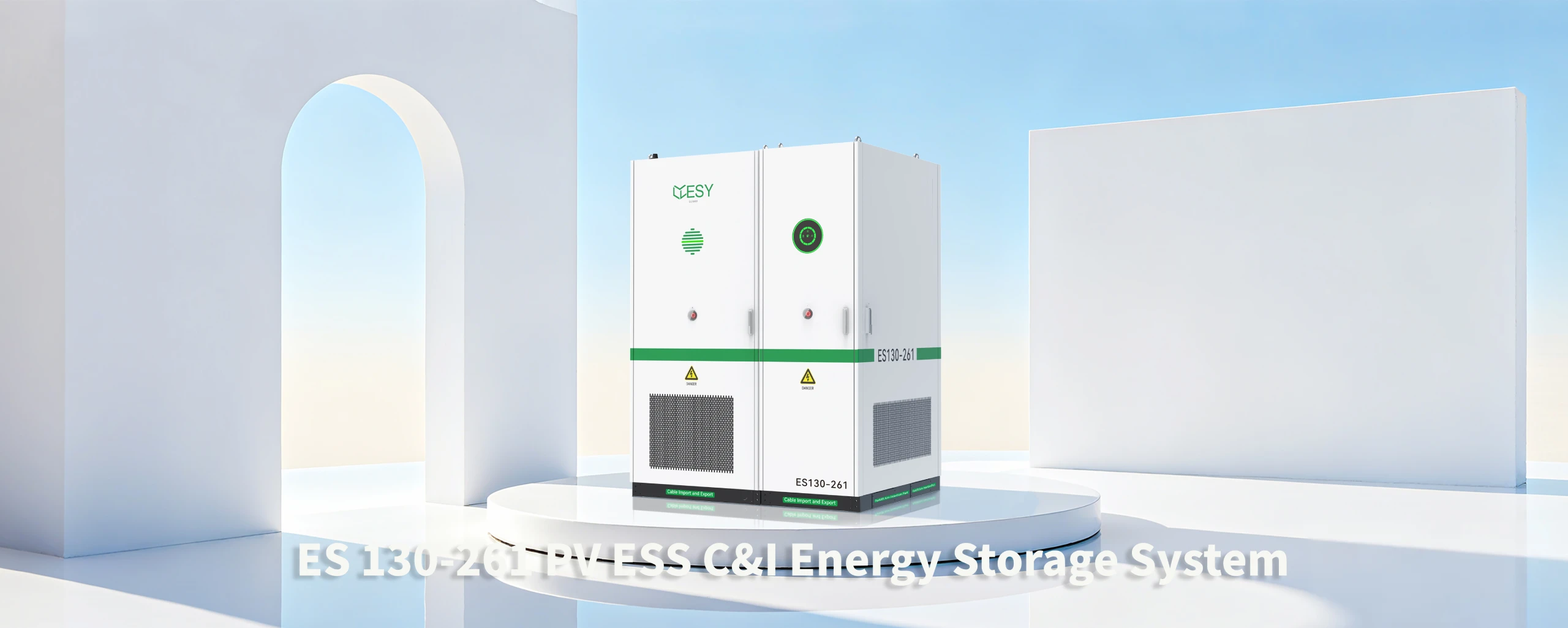
A hybrid ESS combines battery storage, renewable generation and backup power sources to support hotels, factories and remote sites. Systems such as a 130kW/261kWh PV-storage-diesel system can reduce diesel consumption, improve renewable energy use and provide stable electricity supply for facilities with annual energy demands from hundreds of MWh to several GWh.
Hybrid energy storage systems (Hybrid ESS) are being installed in commercial buildings, industrial facilities and remote locations where electricity cost, grid reliability and renewable energy integration need to be managed together. Unlike single battery systems, Hybrid ESS combines multiple energy sources, including lithium-ion batteries, solar PV, diesel generators and intelligent controllers.
A hotel with 300–800 rooms may consume 3–10 GWh of electricity annually, with HVAC systems often accounting for 40–60% of total energy use. Factories can consume several GWh to hundreds of GWh per year depending on production scale, while remote sites may rely on diesel generators for 24-hour operation. Hybrid ESS provides a method to balance these different electricity requirements.
A commercial Hybrid ESS installation can combine 500 kWh to several MWh of battery capacity with PV generation ranging from 100 kW to multiple MW, allowing facilities to reduce grid demand and improve renewable energy utilization.
Hotels usually have predictable electricity patterns because guest occupancy, cooling systems and service operations follow daily schedules. Electricity demand commonly rises during morning and evening periods, while HVAC operation creates additional consumption during daytime hours.
Battery storage allows hotels to charge batteries when electricity prices are lower and discharge during high-price periods. In regions with time-of-use electricity tariffs, peak electricity prices can be 20–50% higher than off-peak rates, creating opportunities for demand reduction.
A typical hotel Hybrid ESS configuration may include:
| Application | Typical System Range |
|---|---|
| Rooftop PV | 200 kW–1 MW |
| Battery storage | 500 kWh–3 MWh |
| Backup supply | 2–6 hours for selected loads |
| EMS control response | milliseconds to seconds |
The same energy management approach is also used for emergency power supply. Hotels must maintain electricity for elevators, lighting, refrigeration, communication systems and safety equipment during grid interruptions. Compared with traditional diesel-only backup systems, battery storage can provide power within milliseconds after detecting a grid failure.
A 1 MWh battery system operating at 250 kW can supply selected hotel loads for approximately 4 hours without fuel consumption.
Factories require Hybrid ESS systems with higher power ratings because industrial equipment creates larger electricity demand changes. Motors, compressors, production lines and heating equipment can produce rapid increases in power consumption.
Industrial electricity bills often include both energy charges and demand charges. In some markets, demand charges may represent 30–50% of monthly electricity costs for large commercial and industrial customers. Hybrid ESS can discharge during high-demand periods to reduce the maximum grid power requirement.
For industrial applications, system design usually focuses on:
-
Peak demand reduction during expensive tariff periods;
-
Voltage and frequency support for sensitive equipment;
-
Renewable energy storage from onsite PV systems;
-
Backup power for production continuity.
A factory installing a 2 MWh battery system with a 1 MW inverter can store excess solar generation during daytime hours and provide additional power during production peaks. The system can also reduce short-term power fluctuations caused by equipment startup.
The connection between factories and renewable energy is becoming stronger as manufacturers increase solar installation. However, PV output changes with weather conditions. A solar system producing 1 MW at noon may generate less than 200 kW during cloudy conditions, depending on location and season.
Hybrid ESS helps factories maintain stable electricity supply when solar generation changes within minutes or hours.
Remote sites face different requirements because grid connection may be unavailable or expensive. Mining facilities, telecommunications stations, islands and rural infrastructure often depend on diesel generators.
Fuel transportation can represent a significant operating cost for remote facilities. A diesel generator system operating continuously may consume thousands of liters of fuel each month. Adding PV and battery storage can reduce generator operating hours and improve fuel efficiency.
A common remote microgrid includes:
| Component | Function |
|---|---|
| Solar PV | Renewable electricity generation |
| Battery ESS | Energy storage and fast power response |
| Diesel generator | Backup during low renewable output |
| EMS | Automatic energy control |
A 130kW/261kWh PV-storage-diesel system is designed for applications requiring renewable generation, battery storage and diesel backup integration. The system can be configured for remote facilities where continuous electricity supply is required. 130kW/261kWh PV-storage-diesel system
Such systems are commonly used where diesel generators remain necessary but fuel consumption needs to be reduced. Depending on solar resources and load characteristics, renewable integration can reduce diesel generator operation by 30–70%.
Battery technology selection also affects Hybrid ESS performance. Lithium iron phosphate (LFP) batteries are widely used in commercial and industrial storage because they provide long cycle life and strong thermal stability.
Typical LFP battery characteristics include:
-
Cycle life: 4,000–8,000 cycles depending on operating conditions;
-
Operating temperature range: approximately -20°C to 55°C with thermal management;
-
Round-trip efficiency: commonly 85–95%.
For remote environments, battery containers require additional protection systems. Outdoor ESS units often include liquid cooling or air cooling, fire detection, insulation and remote monitoring.
In desert, coastal or cold regions, temperature control can influence battery efficiency by more than 10%, making thermal management an important part of system design.
Energy management software determines how Hybrid ESS operates. Modern EMS platforms collect data from meters, batteries, PV inverters and generators, then adjust charging and discharging schedules automatically.
Typical EMS functions include:
-
Solar priority charging;
-
Peak tariff discharge;
-
Generator optimization;
-
Backup reserve management;
-
Remote operation monitoring.
Artificial intelligence-based forecasting is also being introduced in some systems. By analyzing historical electricity consumption and weather data, EMS can estimate future demand and improve charging schedules.
A commercial building using EMS optimization may increase renewable self-consumption from around 50% to more than 80%, depending on PV size, battery capacity and local electricity conditions.
The economic performance of Hybrid ESS depends on system size, electricity prices, fuel costs and operating conditions. A battery system designed for daily peak shaving usually requires different parameters from a system designed mainly for backup power.
| Application | Main Design Goal | Typical Storage Size |
|---|---|---|
| Hotels | Demand reduction and backup | 500 kWh–3 MWh |
| Factories | Peak management and power support | 1–20 MWh |
| Remote sites | Renewable integration and fuel reduction | 200 kWh–10 MWh |
The market for Hybrid ESS continues to expand as electricity networks integrate more renewable energy. In 2023, global battery energy storage installations exceeded 40 GWh annually, and industry forecasts expect continued growth through 2030 as commercial, industrial and microgrid applications increase.
Hotels, factories and remote sites require different system designs, but all three applications depend on the same functions: reliable electricity supply, efficient energy use and flexible operation. Hybrid ESS provides a practical approach by combining renewable power generation, battery storage and conventional backup resources into one controlled energy system.
¿Listo para cobrar mejor por tu trabajo?
Únete a +84.000 profesionales en Suelto. Onboarding en menos de 4 minutos, escrow en cada contrato.